
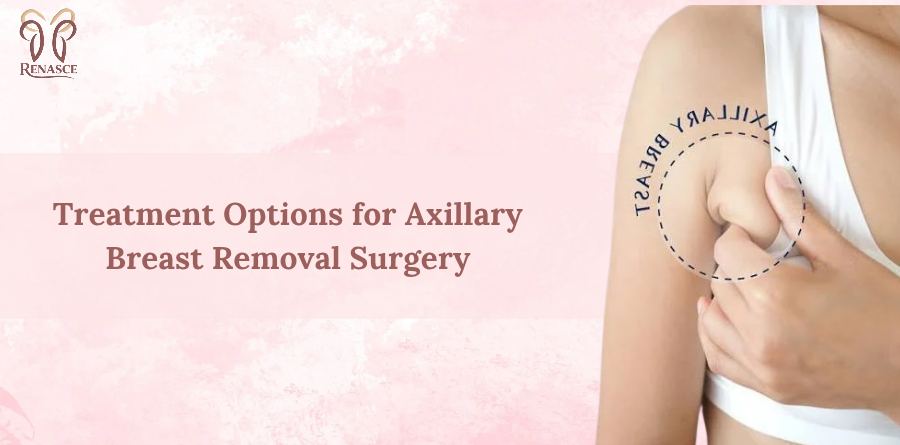
Treatment Options for Axillary Breast Removal Surgery
Underarm fullness is a common concern for many women and may sometimes be caused by axillary breast tissue. This additional breast tissue develops in the armpit area and may become more noticeable during puberty, pregnancy, breastfeeding, or hormonal changes. It can cause discomfort, visible bulges, skin irritation, and difficulty wearing fitted clothing.
Axillary Breast Removal is a treatment option for individuals who wish to address persistent fullness caused by accessory breast tissue. The appropriate procedure depends on the type of tissue, its size, skin elasticity, and the patient’s concerns.
What Is Axillary Breast Tissue?
Axillary breast tissue, also known as accessory breast tissue, is additional breast tissue located outside the normal breast area. Unlike ordinary underarm fat, it may contain glandular tissue that responds to hormonal changes.
Before selecting a treatment, a plastic surgeon evaluates the area to determine whether the fullness is caused by excess fat, glandular tissue, loose skin, or a combination of these factors.
Treatment Options for Axillary Breast Removal
1. Liposuction for Underarm Fat
Liposuction may be suitable when the underarm fullness consists mainly of excess fatty tissue. The procedure uses a thin cannula to remove unwanted fat through small incisions, helping improve the contour of the underarm.
This option is generally considered for patients with good skin elasticity and minimal glandular tissue. However, liposuction alone may not effectively remove firm glandular breast tissue.
2. Surgical Excision
Surgical excision may be considered when axillary breast tissue is accompanied by significant loose or excess skin that requires removal. In cases where the concern is primarily excess fat or breast tissue without substantial skin laxity, liposuction may be sufficient to address the underarm fullness. The appropriate approach depends on the amount and type of tissue present, skin elasticity, and individual anatomy.
During Axillary Breasts tissue removal, the surgeon carefully removes the identified tissue while protecting nearby nerves and blood vessels. The incision is planned to minimise visible scarring wherever possible, although scar appearance varies between individuals.
3. Combined Liposuction and Excision
Some patients have both excess fat and glandular breast tissue. In such cases, combining liposuction with surgical excision may be appropriate.
Liposuction reduces surrounding fat, while excision addresses the glandular component. The combination allows the surgeon to treat different tissue types and improve the overall underarm contour.
4. Skin Excision for Loose Underarm Skin
When significant loose skin accompanies axillary breast tissue, removing the underlying tissue alone may not provide the desired contour. In selected cases, the surgeon may recommend removing excess skin along with the tissue.
This approach may involve a longer incision and a more noticeable scar. The decision depends on skin elasticity, the amount of excess tissue, and individual expectations.
Can Axillary Breast Tissue Be Removed Without Surgery?
Exercise and weight management may reduce general body fat, but they cannot specifically eliminate glandular breast tissue. Creams, massages, and similar non-surgical treatments have not been established as reliable ways to remove accessory breast tissue.
A clinical examination helps identify the cause of underarm fullness and determine whether surgery is appropriate.
What Is Recovery Like After Surgery?
Recovery depends on the technique used and the amount of tissue removed. Temporary swelling, bruising, tenderness, and tightness may occur.
Patients should follow their surgeon’s wound-care instructions, avoid strenuous activities until cleared, and attend follow-up appointments. Increasing pain, fever, redness, or unusual discharge should be reported promptly.
How Do You Choose the Right Treatment?
The best approach depends on the type of tissue, its size, skin quality, symptoms, and medical history. A qualified plastic surgeon may recommend an examination or ultrasound if the diagnosis is uncertain.
Like any surgery, Axillary Breast Removal carries risks, including infection, bleeding, scarring, fluid collection, altered sensation, and contour irregularities.
Conclusion
Axillary breast tissue can be managed through liposuction, surgical excision, combined techniques, or selective skin removal. The right option depends on the individual’s anatomy, skin quality, and treatment goals. Dr. Priya Bansal, Board-Certified Plastic Surgeon, provides personalised guidance to help patients understand their options for Axillary Breast Removal. Consulting an experienced plastic surgeon in India can help you make an informed decision based on your concerns, safety, and realistic expectations.



Leave a Reply
You must be logged in to post a comment.