
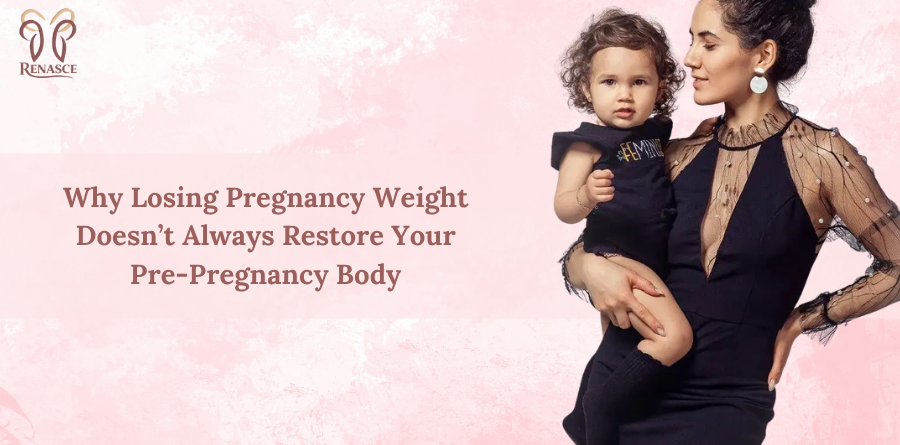
Why Losing Pregnancy Weight Doesn’t Always Restore Your Pre-Pregnancy Body: Understanding Mommy Makeover Surgery
Losing pregnancy weight can feel like a major achievement. You may return to your pre-pregnancy number on the scale, follow a regular workout routine, and eat well—yet still notice that your body looks different from how it did before pregnancy.
This can be frustrating, but the reason is simple: pregnancy changes more than just body weight. It can stretch the skin, separate abdominal muscles, alter breast volume and shape, and change how fat is distributed. These structural changes may remain even after the extra weight has been lost.
When Weight Loss Isn’t the Whole Story
During pregnancy, the abdominal wall expands significantly to accommodate the growing baby. After delivery, the skin and muscles do not always return completely to their previous position.
One common change is diastasis recti, where the abdominal muscles remain separated after pregnancy. This can create a persistent abdominal bulge even in women who have returned to a healthy weight.
Similarly, stretched abdominal skin may lose some of its elasticity. Exercise can strengthen the muscles and improve overall fitness, but it cannot always tighten significantly loose skin.
Pregnancy Can Change the Breasts Too
Pregnancy and breastfeeding can also affect breast volume, shape, and position. Some women notice that their breasts appear smaller or less full after breastfeeding, while others experience sagging or changes in nipple position.
These changes are related to stretched skin and changes in breast tissue rather than simply weight gain. This is why losing pregnancy weight does not necessarily restore the breasts to their pre-pregnancy appearance.
What Does Mommy Makeover Surgery Address?
Mommy makeover surgery is not one fixed operation. Instead, it is an individualized combination of procedures selected according to the specific changes a woman wants to address after pregnancy and breastfeeding.
Depending on individual anatomy and concerns, a treatment plan may include a tummy tuck to remove excess abdominal skin and address muscle separation, liposuction for localized fat deposits, or breast surgery such as a breast lift, augmentation, or reduction.
Not every patient requires all of these procedures. The combination should be based on physical examination, medical history, future pregnancy plans, and realistic expectations.
Why Timing Matters
A mommy makeover is generally considered after the body has had adequate time to recover from pregnancy and breastfeeding and when body weight is relatively stable. Future pregnancy plans should also be discussed because another pregnancy can stretch the abdominal tissues and breasts again, potentially affecting surgical results.
It is also important to remember that mommy makeover surgery is not a weight-loss procedure. Its purpose is to address specific structural and contour changes that diet and exercise may not be able to correct.
Considering Mommy Makeover Surgery
Reaching your pre-pregnancy weight and restoring your pre-pregnancy body are not always the same thing. Pregnancy can leave changes in the abdominal muscles, skin, breasts, and body contours that remain despite a healthy lifestyle. If these concerns continue after weight stabilization, a personalized surgical assessment can help determine which options may be appropriate. Dr Priya Bansal, a plastic surgeon in India, evaluates each patient individually to determine whether mommy makeover surgery—and which combination of procedures—may be suitable based on their anatomy, concerns, health, and expectations.







Leave a Reply
You must be logged in to post a comment.