
High Definition Liposuction Surgery: The Complete Guide to Body Sculpting
High definition liposuction surgery is not just a superior version of standard fat removal. It is a precise body sculpting procedure designed for a specific patient: someone close to their goal physique, with good muscle development underneath, whose body definition is being obscured by a layer of stubborn fat that training alone cannot shift. Candidacy matters. Technique matters. Understanding the difference is what separates a good result from a correctable mistake.
The Misconception That Sends the Wrong Patients to the Wrong Procedure
Most patients researching high definition liposuction surgery arrive having equated “high definition” with “better outcomes for everyone.” That assumption is where the problem starts.
Standard liposuction in Delhi removes fat volume to slim an area. High definition liposuction does something structurally different: it sculpts the fat around and above the muscle to reveal contour and athletic definition. To do that well, the muscle has to exist to sculpt around. A patient without underlying muscle development will not see definition emerge as there is nothing beneath the fat for the sculpting to reveal.
High definition is for the patient who has done the work — training, nutrition, lifestyle — and is looking at a body that should show more than it does. The fat is the last obstacle, not the whole problem.
What High Definition Liposuction Surgery Actually Involves
The procedure uses VASER liposuction, ultrasound energy delivered into the fat layer before removal. This emulsifies fat selectively while preserving connective tissue, blood vessels, and nerves, allowing the surgeon to work precisely in the superficial fat layer directly over the muscle surface.
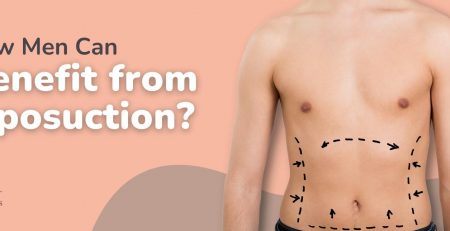
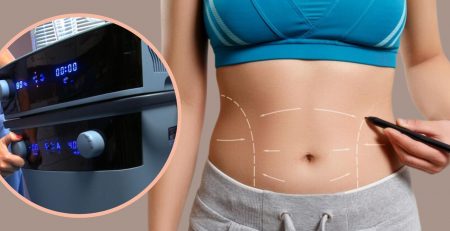
In high definition liposuction surgery, fat is sculpted with anatomical intention not simply removed. The natural lines of the abdominal muscles, obliques, and flanks are enhanced by selectively removing concealing fat while preserving fat that creates smooth transitions. The goal is a surface that reflects the body’s actual structure, not just a flatter one.
The purified fat is then injected around the abdominal region to enhance the natural contours and definition of the rectus muscles and adjacent transition zones. Rather than creating artificial sharpness, the aim is to accentuate the body’s existing muscular anatomy and produce a more athletic, balanced appearance.
Results take time. Swelling takes three to six months to fully resolve — what a patient sees at six weeks is not the final outcome.
Who Is Actually a Good Candidate
The consultation for high definition liposuction surgery is more precise than for standard liposuction. Several factors determine suitability:
- Proximity to goal weight: This is not a weight-loss procedure. Candidates should be within a stable, sustainable weight range and not planning to lose significant additional weight post-surgery.
- Existing muscle development: Without muscle underneath, there is nothing for the sculpting to reveal. Patients who train consistently and have functional muscle mass see the most meaningful results.
- Skin elasticity: HD lipo works in the superficial fat layer. Good skin quality supports the retraction needed for clean, defined results. Significant laxity may require additional intervention.
- Realistic expectations: High definition results enhance what is anatomically present. They do not manufacture a physique the patient has never had.
Precision Starts With the Right Consultation
Dr Priya Bansal is a board-certified plastic surgeon in Delhi with focused expertise in high definition liposuction surgery and advanced body contouring. Her approach begins with an honest anatomical assessment — not every patient who wants HD lipo is suited for it, and saying so clearly is part of the consultation. If you’re considering liposuction surgery in Delhi and want to understand whether high definition liposuction is the right procedure for your specific goals and anatomy, a consultation with Dr Bansal gives you a medically grounded answer.