
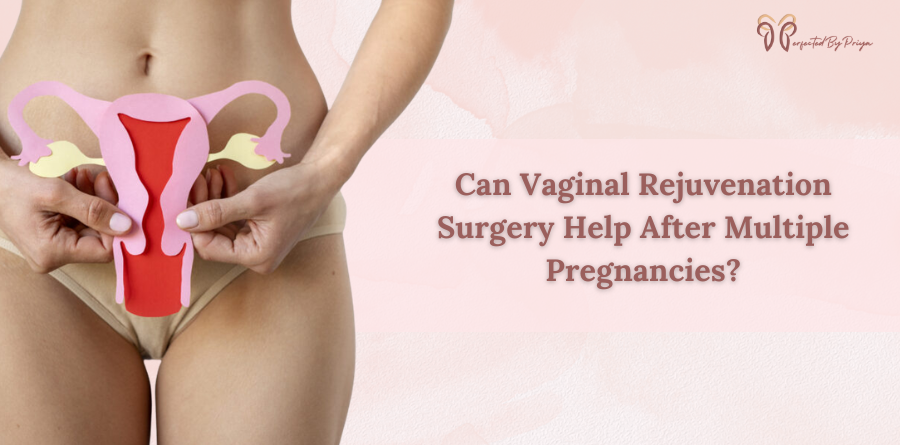
Can Vaginal Rejuvenation Surgery Help After Multiple Pregnancies?
Most women who come to me after two or three pregnancies are not asking for cosmetic changes. They’re asking why no one told them that help was available sooner.
The looseness, the stress of urinary incontinence, the loss of intimate confidence: these are not inevitable consequences of motherhood that women must simply accept. Vaginal rejuvenation surgery offers real, surgical solutions that restore both function and quality of life.
Yes, vaginal rejuvenation surgery can significantly help women after multiple pregnancies.. Procedures such as vaginoplasty (surgical tightening of the vaginal canal) and labiaplasty surgery (reshaping of the labia) are routinely performed, often in combination, for comprehensive restoration.
What Pregnancies Actually Change
Vaginal childbirth stretches the vaginal walls, perineal muscles, and supporting pelvic floor structures. With each delivery, the cumulative effect compounds. Many women notice reduced tightness during intercourse, urine leakage with laughing or sneezing, and a general loss of the pelvic tone they once had. These are not imagined symptoms. They are measurable changes with known surgical solutions.
The Two Most Common Procedures After Multiple Pregnancies
Vaginoplasty targets the vaginal canal itself. The surgeon tightens the posterior (back) wall of the vagina and repairs the perineum — the muscular area between the vagina and rectum — to restore pre-pregnancy tone. This directly addresses both intimate satisfaction and stress urinary incontinence.
Labiaplasty surgery addresses changes to the labia minora (inner lips) or labia majora (outer lips) that may have altered in size, shape, or symmetry due to pregnancy and hormonal shifts. It’s performed when there is physical discomfort or when the patient wants to restore how she felt before.
Both procedures can be performed during the same surgical session, making it an efficient choice for women managing busy family and professional lives.
Addressing the Hesitation
The most common reason women delay seeking help is not that they don’t want it. It’s that they’re unsure whether they deserve it, whether side effects are worth the risk, or whether surgery is really the answer. This hesitation is understandable. But functional discomfort and diminished intimate confidence are legitimate medical concerns, not cosmetic indulgences.
As a female plastic surgeon in India who has performed these procedures for over 15 years, I can tell you: the most common thing I hear post-surgery is, “I wish I had done this earlier.”
Who Is a Good Candidate?
Women who are at least six months postpartum (post-delivery), are not planning future pregnancies, and are in good overall health are generally suitable candidates. If another pregnancy is planned, it’s better to wait — a subsequent vaginal delivery can undo surgical results.
Vaginal rejuvenation surgery is not a single procedure with a single outcome. It’s a clinical conversation about your specific anatomy, your specific symptoms, and what a realistic, personalised result looks like for you. No two consultations are the same.
Frequently Asked Questions
How long after delivery can I consider vaginoplasty surgery?
At least six months postpartum, to allow adequate healing and hormonal stabilisation. Breastfeeding should ideally be complete before proceeding.
Will vaginoplasty help with urinary incontinence?
Vaginoplasty combined with pelvic floor repair can significantly reduce stress urinary incontinence. The extent depends on the degree of prolapse and muscle damage, which is assessed during consultation.
Can I combine vaginoplasty and labiaplasty in one surgery?
Yes. This is a common approach and reduces total recovery time compared to two separate procedures.
What is recovery like?
Most patients return to light daily activities within one to two weeks. Full recovery, including resuming intercourse, typically takes six to eight weeks.
Will vaginal rejuvenation surgery results be permanent?
Results are long-lasting provided there are no further pregnancies and consistent pelvic floor exercises are maintained post-surgery.
If you’ve been dismissing these symptoms as “just part of having children,” it may be time for a proper consultation. Dr Priya Bansal brings over 15 years of surgical expertise and a patient-first approach to every consultation. Book your consultation slot for vaginal rejuvenation surgery at www.drpriyabansal.com.








Leave a Reply
You must be logged in to post a comment.